

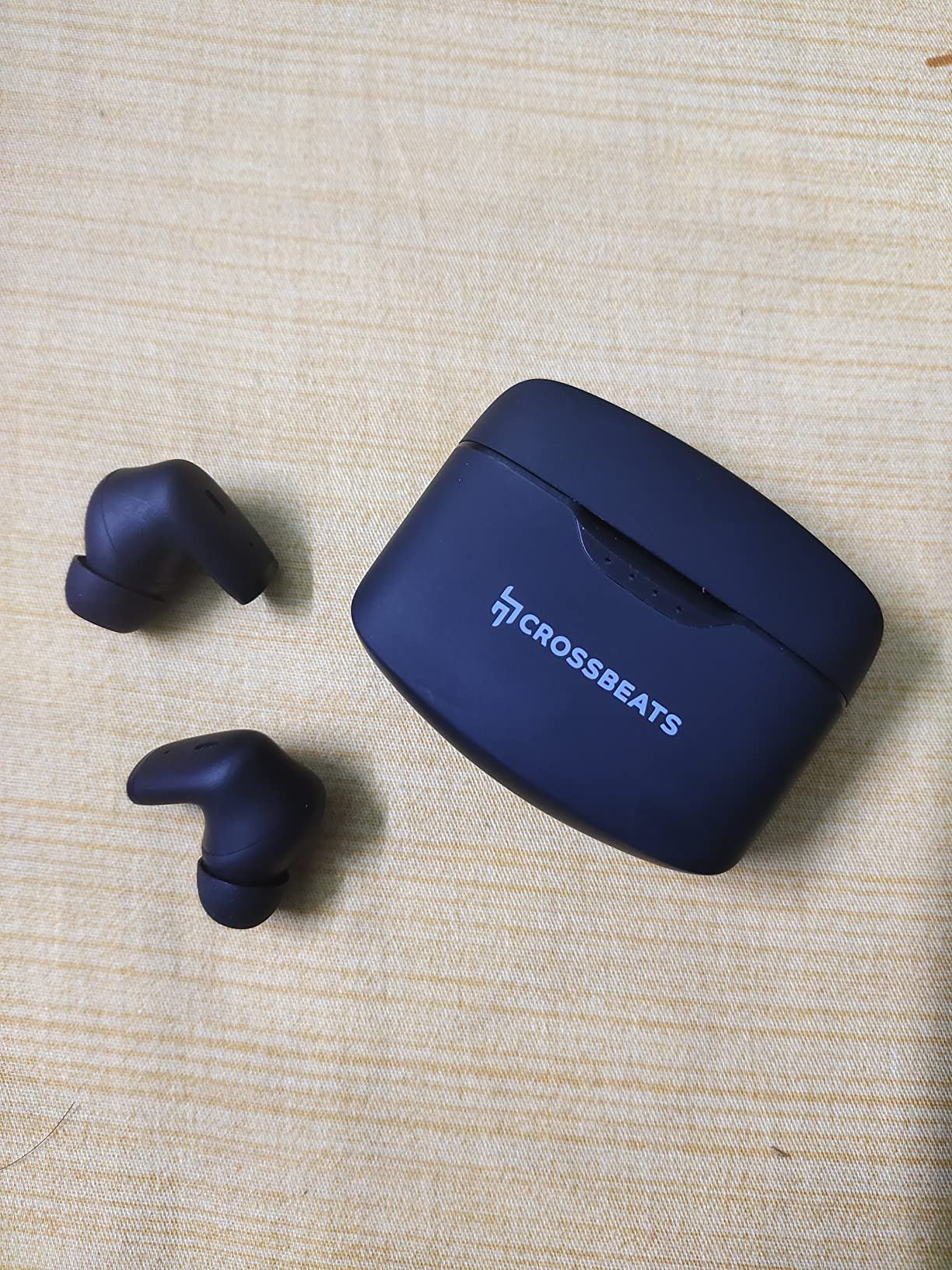
Asking for directions, checking into a hotel or haggling gently in a market are the small conversations that make travel work, and wireless earbuds are beginning to interpret them in near real time. Current systems pair the earbuds with a phone application: one person speaks, the app translates and plays the result into the listener’s ear or phone speaker, and some products let two travellers each wear an earbud for a more natural exchange. The progress behind the feature is a combination of better speech recognition in noisy places, faster translation models that can run partly on the phone itself, and voices that sound less robotic than earlier attempts. Latency remains the make-or-break quality, because a conversation tolerates only a short pause before it starts to feel like an interview through an interpreter. Manufacturers are also designing for the social reality of the situations: translation needs a clear way to start, a way to show the other person what is happening, and discretion about recordings. For travellers, the promise is not fluency but independence, handling routine interactions in countries whose language they do not speak without handing their phone to strangers or relying on phrasebook gestures.
What the Evidence Shows
Real-world performance varies in ways marketing demonstrations tend to smooth over. Accents, background noise, slang and very fast speech all reduce accuracy, and errors in a medical, legal or safety conversation could matter far more than a muddled coffee order, so experienced travellers treat the technology as an aid with limits. Privacy questions follow the microphones, since a conversation partner may not realise their words are being processed, and responsible products are adding visible indicators and clear consent prompts. There are encouraging uses beyond tourism. aid workers, clinic staff and teachers use the same features for first-contact communication, while language learners use transcripts to study how their own speech was understood. Even with those caveats, the direction is significant: translation is moving from a deliberate task performed on a screen into the background of ordinary conversation, and each improvement in speed and accuracy makes crossing a language barrier feel a little less like crossing it alone. Reporting and analysis from sources such as IEEE Spectrum track the same developments, and specialists following earbuds live translation travel say the direction is now consistent across independent lines of evidence.
The Wider Context
Adoption of earbuds live translation travel follows a familiar pattern with an unfamiliar speed. Early users tolerate rough edges in exchange for advantage, mainstream users arrive when the tool disappears into existing workflows, and the market consolidates around whoever made that transition feel effortless. Vendors are racing less on raw performance now than on integration, support and trust.
What Happens Next
The realistic forecast for earbuds live translation travel is steady integration rather than sudden replacement: embedded in products people already use, improving in increments, and regulated in proportion to its reach. The companies and institutions that plan on that basis, training staff and redesigning processes instead of chasing launches, are the ones the adoption data tends to vindicate. You can follow related developments in our coverage of technology.
It is also worth remembering how quickly the picture in this area has changed before. Positions that looked settled a few years ago have been revised as new data arrived, and the same humility is appropriate now. The strongest coverage of this subject, and the most useful advice, tends to come from sources that update their views openly when the facts move, rather than defending an earlier position long after it has stopped fitting the evidence available.
