

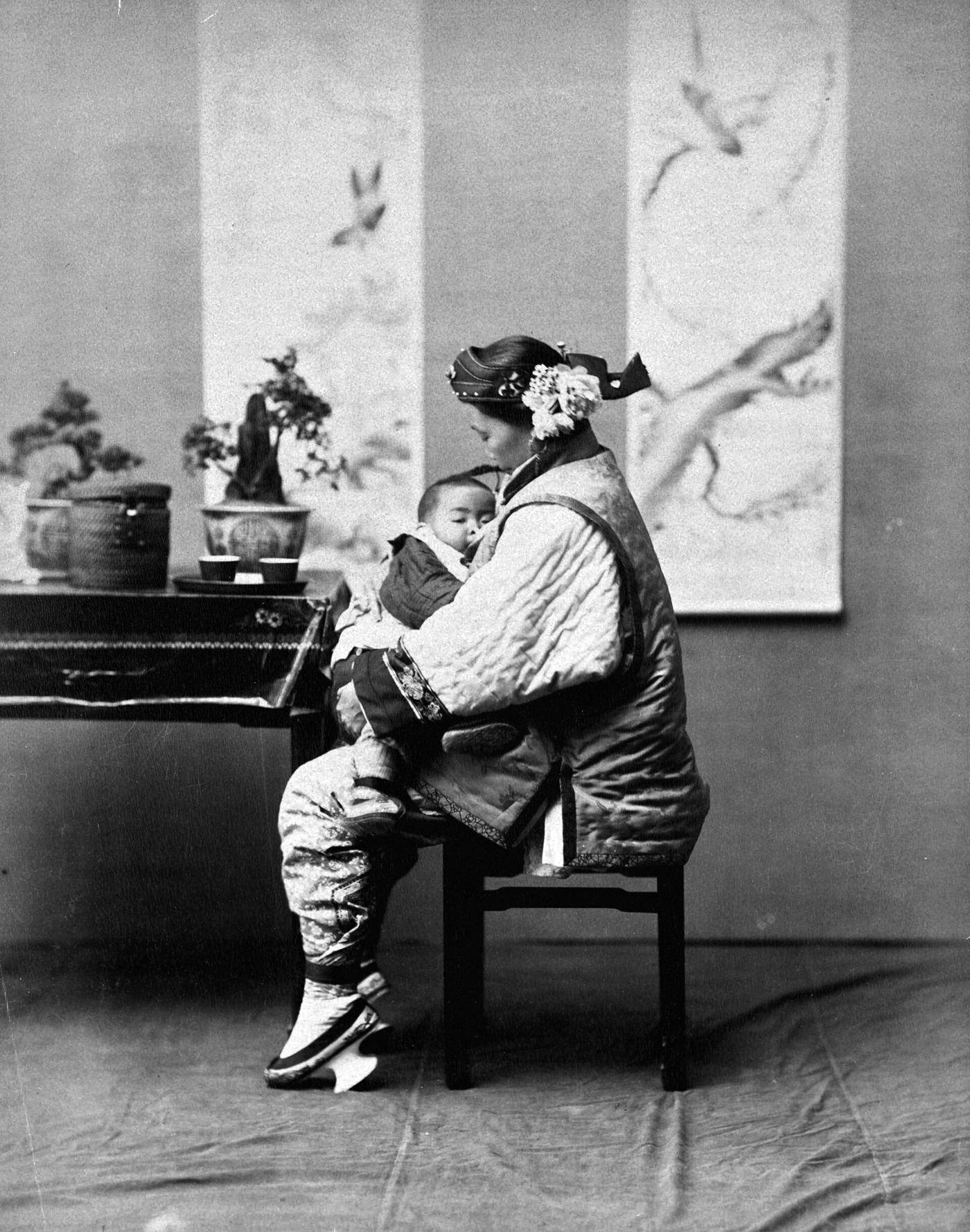
Attachment theory explains why the bond between a baby and its caregiver matters so much, and how it echoes through adult relationships. British psychiatrist John Bowlby proposed in the 1950s that infants are born with a drive to stay close to a caregiver, because closeness kept vulnerable babies safe through human evolution. His colleague Mary Ainsworth tested the idea in the 1970s with the Strange Situation, a short laboratory procedure in which a baby is briefly separated from its mother and then reunited, while observers record how the child reacts. Most infants, about 70 per cent in Ainsworth’s original studies, were securely attached: upset by the separation but comforted on reunion. Others were avoidant, ignoring the mother, or ambivalent, distressed and hard to soothe. Bowlby argued that attachment evolved because infants who stayed near a protective adult were more likely to survive.
What the Evidence Shows
The theory was strengthened by Harry Harlow’s experiments with rhesus monkeys in the late 1950s, which showed that infant monkeys preferred a soft cloth surrogate mother to a wire one that provided milk, proving that comfort matters as much as food. A fourth pattern, disorganised attachment, was added later by Mary Main for children whose behaviour showed fear and confusion. Research has linked early attachment to later friendships, school success and romantic relationships, though the link is not destiny: relationships and experiences in later life can change attachment patterns. The theory’s practical message is clear, and it has shaped childcare, adoption and parenting advice for decades. Modern research also finds that attachment is shaped by the caregiver’s sensitivity, and that secure children tend to explore more confidently and form stronger friendships at school. Reporting and analysis from sources such as Nature Human Behaviour track the same developments, and specialists following attachment theory say the direction is now consistent across independent lines of evidence.
The Wider Context
The wider context is a discipline rebuilding confidence through replication and pre-registration, and findings on attachment theory are being reported with their effect sizes and limits attached. That honesty can make results sound smaller than the headlines of a decade ago, but the effects that survive are the ones practitioners can responsibly build on.
What Happens Next
What happens next in research on attachment theory is a turn toward real-world trials: longer, larger and conducted in the schools, workplaces and clinics where the findings are meant to apply. Psychologists are also studying individual differences more seriously, because average effects conceal the people for whom an approach works powerfully and those it leaves cold. Both shifts make the science slower and more useful. You can follow related developments in our coverage of psychology.
None of this will be settled by a single announcement, study or product launch. The pattern to watch is accumulation: independent confirmations, honest reporting of failures and steady improvement in the underlying numbers. Readers who follow those signals, rather than the loudest claim of the week, will understand this subject better than most of the commentary surrounding it suggests is possible.
