

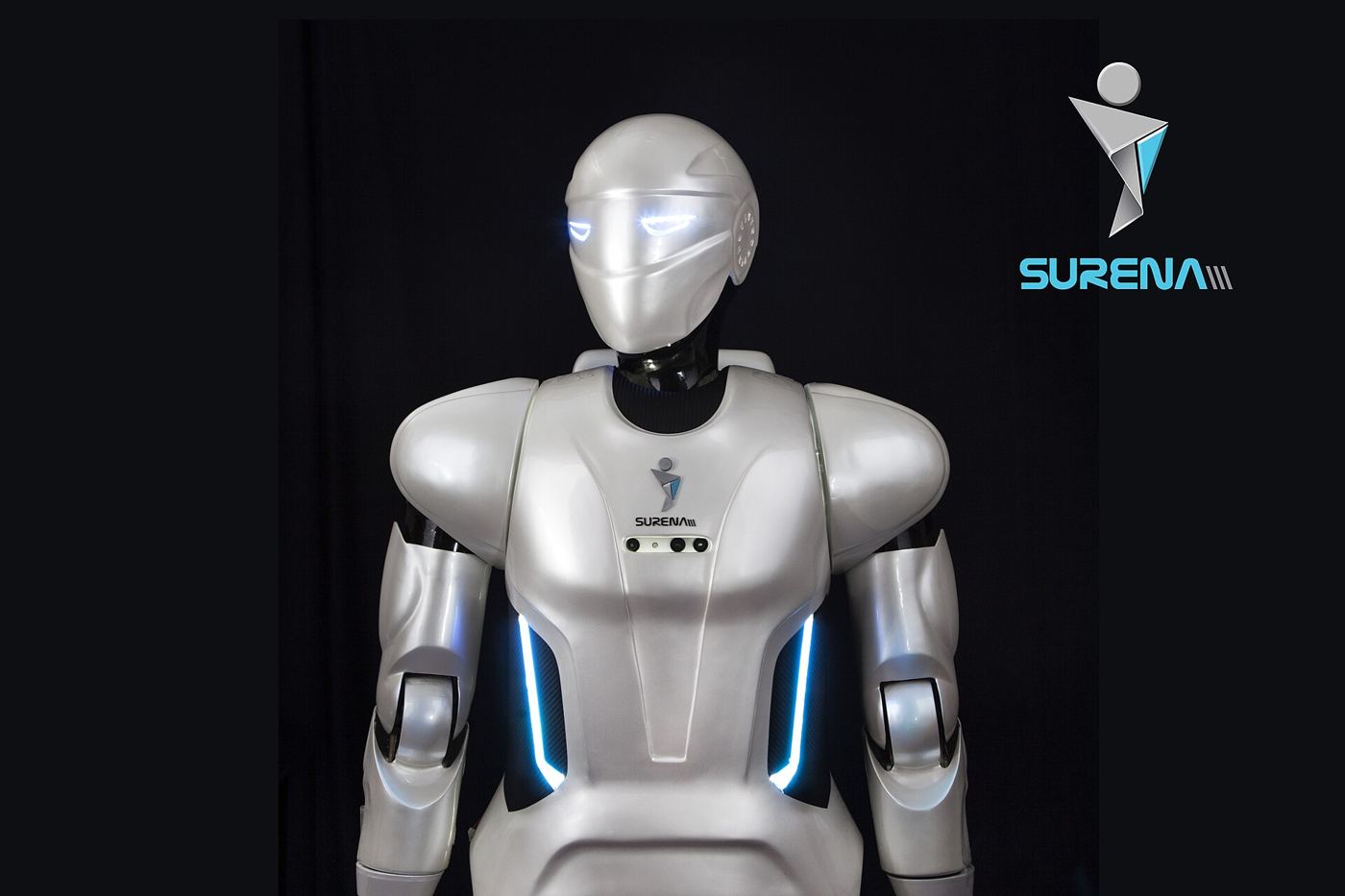
Agility Robotics has announced plans to go public through a merger with a special purpose acquisition company, raising 465 million dollars to commercialise its Digit humanoid robots. The company announced the deal in November 2026, saying the funding would support production and deployment of Digit in warehouses and factories. Digit is a two-legged robot designed to carry boxes, move goods between shelves and work alongside human staff. Agility is one of several companies racing to put humanoid robots into real workplaces, with rivals including Figure and Tesla also testing their machines in factories. The public listing would give Agility fresh capital at a moment when investors are pouring money into robotics, even though few humanoid robots have yet proved themselves in daily work.
What the Evidence Shows
The deal matters because humanoid robots are expensive to build and deploy, and the companies behind them need large amounts of capital to reach scale. A public listing gives Agility access to that capital, but it also brings scrutiny from investors who will want to see real orders and revenue, not just demonstrations. Digit has already been tested in warehouses, where it moves totes and packages, and the company says the new funding will let it build more robots and support more customers. The wider question is whether humanoid robots can work reliably enough, and cheaply enough, to justify replacing simpler machines such as conveyor belts and forklifts. The listing will be watched as a test of investor appetite for robotics, and of whether Digit can move from pilot projects to everyday factory work. Reporting and analysis from sources such as IEEE Spectrum track the same developments, and specialists following the Agility Robotics public listing say the direction is now consistent across independent lines of evidence.
The Wider Context
Adoption of the Agility Robotics public listing follows a familiar pattern with an unfamiliar speed. Early users tolerate rough edges in exchange for advantage, mainstream users arrive when the tool disappears into existing workflows, and the market consolidates around whoever made that transition feel effortless. Vendors are racing less on raw performance now than on integration, support and trust.
What Happens Next
The realistic forecast for the Agility Robotics public listing is steady integration rather than sudden replacement: embedded in products people already use, improving in increments, and regulated in proportion to its reach. The companies and institutions that plan on that basis, training staff and redesigning processes instead of chasing launches, are the ones the adoption data tends to vindicate. You can follow related developments in our coverage of technology.
It is also worth remembering how quickly the picture in this area has changed before. Positions that looked settled a few years ago have been revised as new data arrived, and the same humility is appropriate now. The strongest coverage of this subject, and the most useful advice, tends to come from sources that update their views openly when the facts move, rather than defending an earlier position long after it has stopped fitting the evidence available.
