

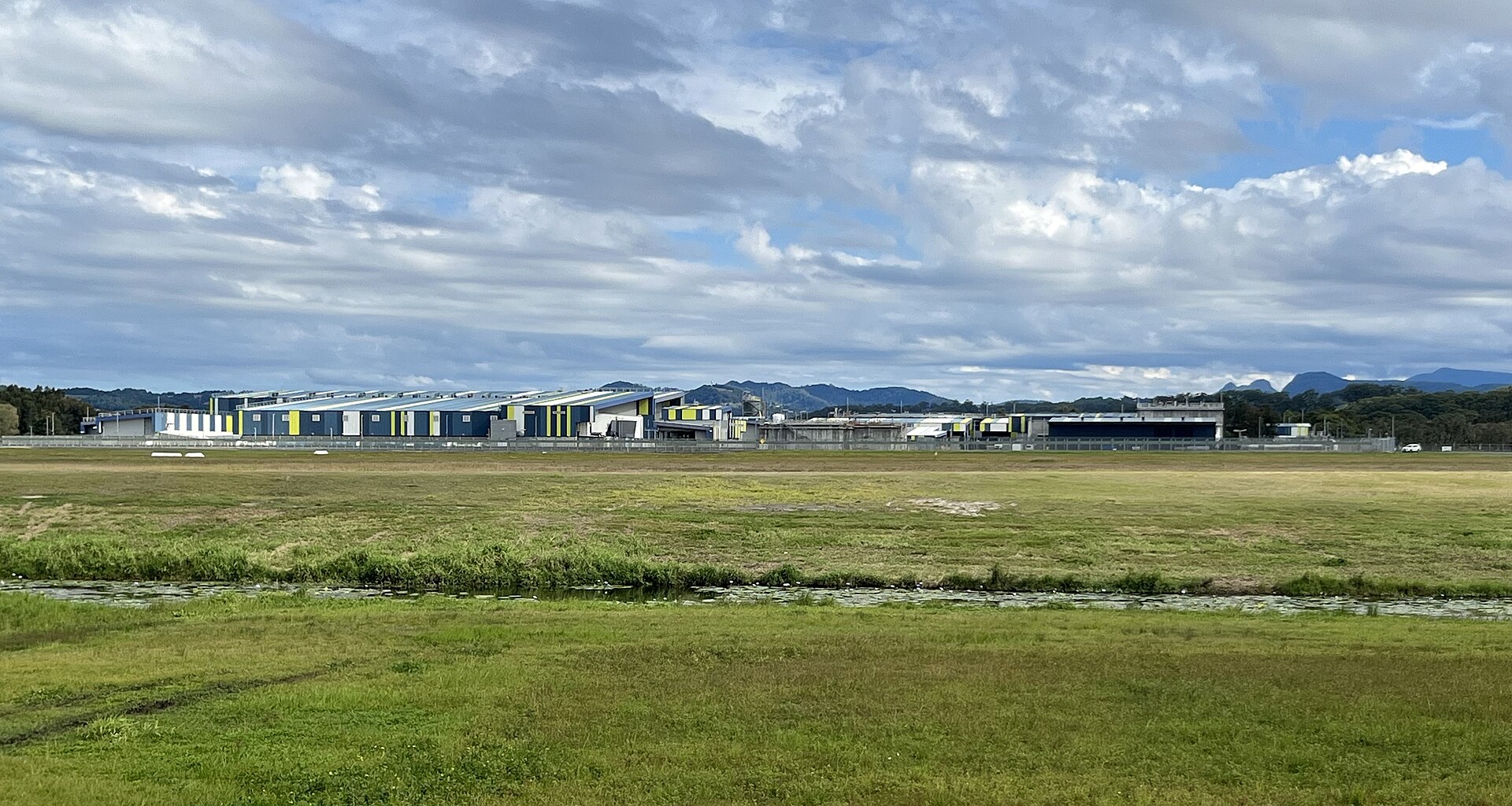
In the Gulf, water security has never been an abstraction. Rainfall is scarce, groundwater has been drawn down for decades, and cities that rank among the fastest-growing on earth sit beside a sea they cannot drink. Desalination already supplies most drinking water in several Gulf states, and the region is now investing in a new generation of plants — larger, more efficient and increasingly powered by renewable energy — as populations, industries and climate pressures all grow at once.
The sums involved are strategic rather than incidental: multi-billion-dollar procurement rounds, plants counted among the world’s largest, and efficiency targets written into national plans. Research and analysis from the World Bank on water stress underline why the region treats desalination as critical infrastructure on the level of power stations. Wider context is available on our homepage page and across our Blog coverage.
Cheaper Water From Better Membranes
The workhorse technology, reverse osmosis, has been on a long cost slide. Better membranes pass water more easily and reject salt more completely, pressures — and therefore energy bills — have fallen, and plant designs recover energy from the outgoing brine stream with remarkable efficiency. The result is that desalinated water in recent Gulf tenders has reached prices once thought impossible, tightening the gap with conventional sources even before scarcity is priced in.
Procurement models deserve part of the credit. Gulf utilities pioneered long-term independent water projects in which private consortia build and operate plants under strict price competition, transferring construction and performance risk while the state guarantees purchase. Each new tender round has used the last round’s prices as a ceiling to beat, and bidders have repeatedly obliged, to the surprise of engineers who assumed the easy gains were exhausted.
Powering Plants With Sunshine
Desalination’s historic weakness is energy: making freshwater from the sea is electricity-intensive, and in the Gulf that electricity long came from burning valuable gas. The new plants attack the problem from both ends — using less energy per cubic metre and sourcing more of it from some of the cheapest solar power ever contracted. Some designs pair daytime solar with grid supply at night; others add storage or oversize the solar field to lift the renewable share year by year.
The environmental ledger has another side: brine. Concentrated salt returned to the Gulf raises local salinity and temperature around outfalls, and the Gulf is a shallow, slow-flushing sea already under ecological stress. New projects face stricter diffuser designs and monitoring, and researchers are testing whether brine minerals — magnesium, lithium and others — can be recovered commercially, turning a waste problem into a modest revenue stream.
Water as Strategy
Beyond the engineering, desalination underwrites strategy. Food-security programmes that grow fodder and vegetables in desert greenhouses, hydrogen projects that need pure water, and semiconductor and metals investments all presume water that rainfall cannot supply. Storage is growing alongside production — vast reservoirs and aquifer recharge schemes that convert today’s surplus capacity into tomorrow’s insurance against plant outages or regional emergencies.
The lesson Gulf states offer a water-stressed world is not that desalination is cheap or simple; it is neither. It is that a determined state, procuring competitively and investing in efficiency for decades, can manufacture water security at falling cost. As climate change pushes other coastal regions toward the same arithmetic, the Gulf’s plants are becoming the reference case — studied, criticised and increasingly copied. Regional utilities have also begun sharing operating data and spare capacity across borders during maintenance and emergencies, treating the Gulf’s desalination fleet as a shared insurance policy rather than a set of purely national assets. Procurement officials say the next tender rounds will weight lifetime efficiency and brine management more heavily than headline capacity alone.
