

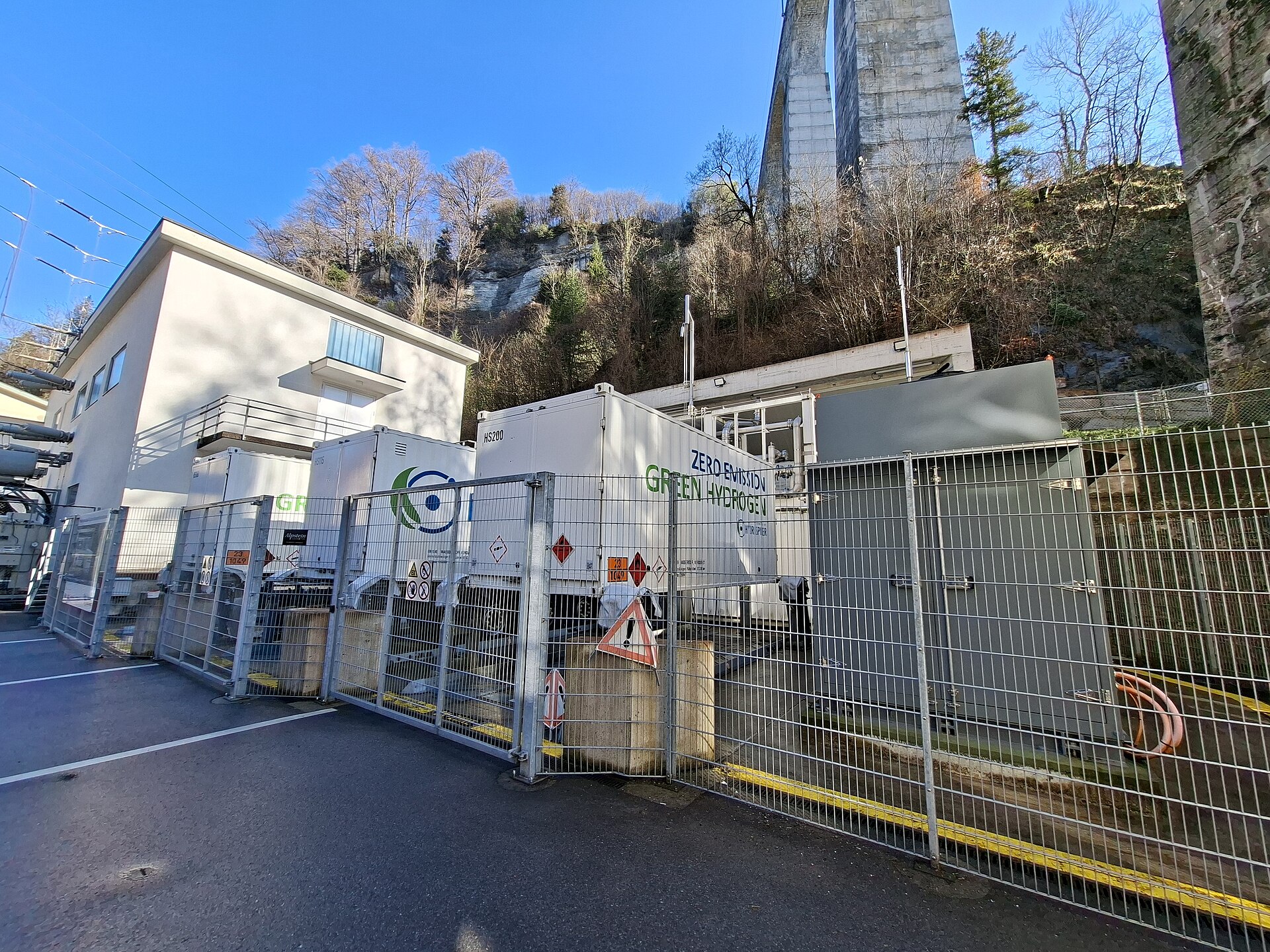
The Gulf’s energy map has been drawn in oil and gas for three generations. Its next map is being sketched in a different colour: green hydrogen, made by splitting water with renewable electricity, then shipped as ammonia or used to clean up steel, fertiliser and refining. Across Oman, Saudi Arabia and the Emirates, projects that lived for years in glossy memoranda are acquiring land, electrolysers, port works and — most importantly — buyers willing to sign.
The logic is geographic. Few places combine fierce solar resources, available desert land, deep-water ports and state capital as naturally as the Gulf. Analysis by the International Energy Agency of the global hydrogen project pipeline shows the region punching far above its weight in announced export capacity. Readers can follow wider context on our homepage page and in our Blog coverage as the first large plants move from renderings to steel.
From Announcements to Construction Sites
The difference between this wave and earlier hydrogen hype is specificity. Projects now publish electrolyser suppliers, grid-connection plans and staged capacities, and several have taken final investment decisions rather than remaining studies. Oman’s dedicated hydrogen auctions, which allocate land blocks to consortia with delivery obligations, are widely cited as a model: the state de-risks the land and permitting, and developers must then perform against deadlines or lose their blocks.
Ports are being adapted in parallel. Ammonia — hydrogen’s most practical shipping form today — needs dedicated tanks, jetties and safety systems, and Gulf ports are building them with the same confidence they once built crude terminals. Shipping lines, for their part, are ordering dual-fuel vessels that can burn ammonia or methanol, slowly closing the loop between producers who need customers and customers who need fuel.
The Buyers’ Question
Every hydrogen export project faces the same arithmetic: green hydrogen still costs several times more than the grey variety made from natural gas, so someone must pay the premium. European and East Asian buyers, pressed by carbon rules and energy-security worries, are the intended customers, and long-term offtake agreements are the industry’s holy grail. Negotiations are slow because buyers want flexibility on price while producers need twenty-year certainty to finance plants.
Carbon border rules are quietly strengthening producers’ hands. As imported steel, fertiliser and fuels begin to carry a carbon price in destination markets, low-carbon hydrogen embedded in those products earns its premium back. Gulf producers are positioning to sell not just molecules but certified low-carbon industrial goods — green steel and fertiliser made at home with cheap solar hydrogen, exported at margins raw hydrogen alone may never achieve.
Risks That Remain Real
Sceptics raise fair points. Electrolyser manufacturing must scale enormously; water for electrolysis, though small beside desalination volumes, needs planning in arid states; and competing exporters from Australia to Chile chase the same buyers. Some announced capacity will certainly slip or quietly die, as early projects in every energy transition do. The Gulf’s advantages lower the odds of failure without abolishing them.
What is no longer in doubt is intent. Hydrogen sits inside national visions, sovereign-fund portfolios and national oil companies’ strategies, funded accordingly. For a region planning life after peak oil demand, green hydrogen is the rare successor industry that uses its existing strengths — sun, ports, capital and energy expertise — rather than discarding them. The projects taking shape now will show whether that inheritance is enough. Training is following the money, with technical colleges in the region adding hydrogen and process-safety courses so that the plants rising on the coast can be run by local engineers rather than imported crews on rotation. Certification schemes for low-carbon hydrogen are advancing in parallel, giving buyers a common standard against which competing cargoes from different continents can be compared fairly.
