

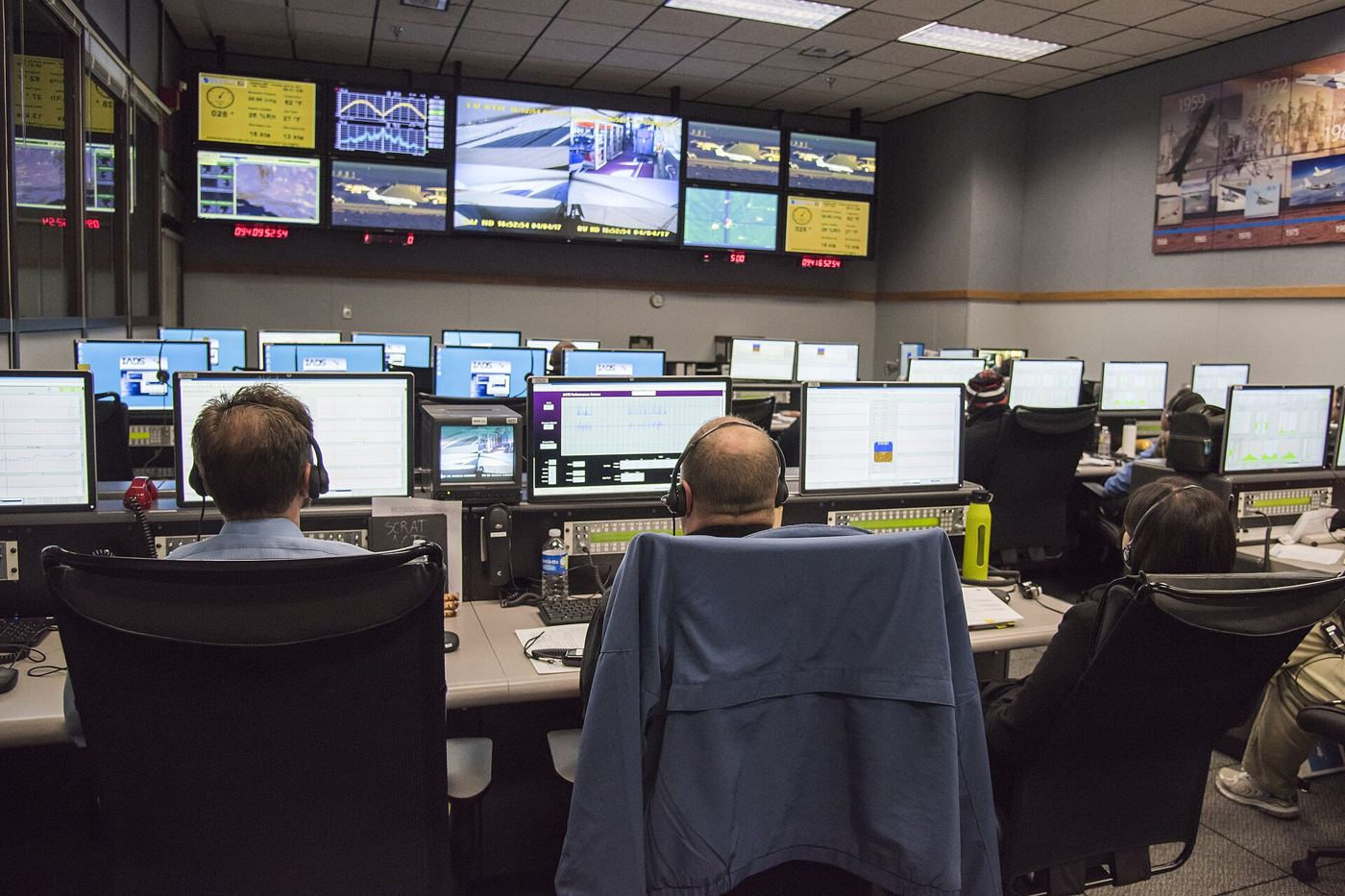
Data centres that once vented their waste heat into the air are increasingly piping it into nearby homes, offices and swimming pools, turning an energy problem into a local resource. Servers produce heat continuously, and in dense cities that warmth can feed district heating networks if the temperature is raised efficiently with heat pumps. Pilot schemes report that recovered heat can displace fossil fuel boilers for thousands of households, while giving data centre operators a way to demonstrate community benefit when seeking planning approval. The model works best where new facilities are built close to heating networks, allowing engineers to design heat recovery in from the start rather than bolting it on later. Temperature, reliability and pricing all need careful agreements, because residents expect heating that works on the coldest day, not only when computing demand is high. As artificial intelligence expands the power appetite of data centres, reusing their heat is becoming part of a wider argument about whether new sites give enough back.
What the Evidence Shows
Engineers say the technical pieces are largely proven, but the commercial and planning arrangements often decide whether a scheme succeeds. Specialists following data centre waste heat say that long-term contracts between operators, utilities and councils are needed, since heating infrastructure is expensive and must be repaid over decades. Designers also have to coordinate maintenance, so that a server upgrade or a heating repair does not leave either side without service. In colder regions the economics are strongest, yet even milder climates can use recovered heat for water heating and large buildings. Critics note that heat reuse should not excuse inefficient computing, and efficiency standards for the servers themselves remain essential. Still, the pilots are changing expectations, as a data centre that warms its neighbours faces a different public conversation than one that simply draws power and exports nothing but exhaust. Reporting and analysis from sources such as IEEE Spectrum track the same developments, and specialists following data centre waste heat say the direction is now consistent across independent lines of evidence.
The Wider Context
Adoption of data centre waste heat follows a familiar pattern with an unfamiliar speed. Early users tolerate rough edges in exchange for advantage, mainstream users arrive when the tool disappears into existing workflows, and the market consolidates around whoever made that transition feel effortless. Vendors are racing less on raw performance now than on integration, support and trust.
What Happens Next
The realistic forecast for data centre waste heat is steady integration rather than sudden replacement: embedded in products people already use, improving in increments, and regulated in proportion to its reach. The companies and institutions that plan on that basis, training staff and redesigning processes instead of chasing launches, are the ones the adoption data tends to vindicate. You can follow related developments in our coverage of technology.
It is also worth remembering how quickly the picture in this area has changed before. Positions that looked settled a few years ago have been revised as new data arrived, and the same humility is appropriate now. The strongest coverage of this subject, and the most useful advice, tends to come from sources that update their views openly when the facts move, rather than defending an earlier position long after it has stopped fitting the evidence available.
