

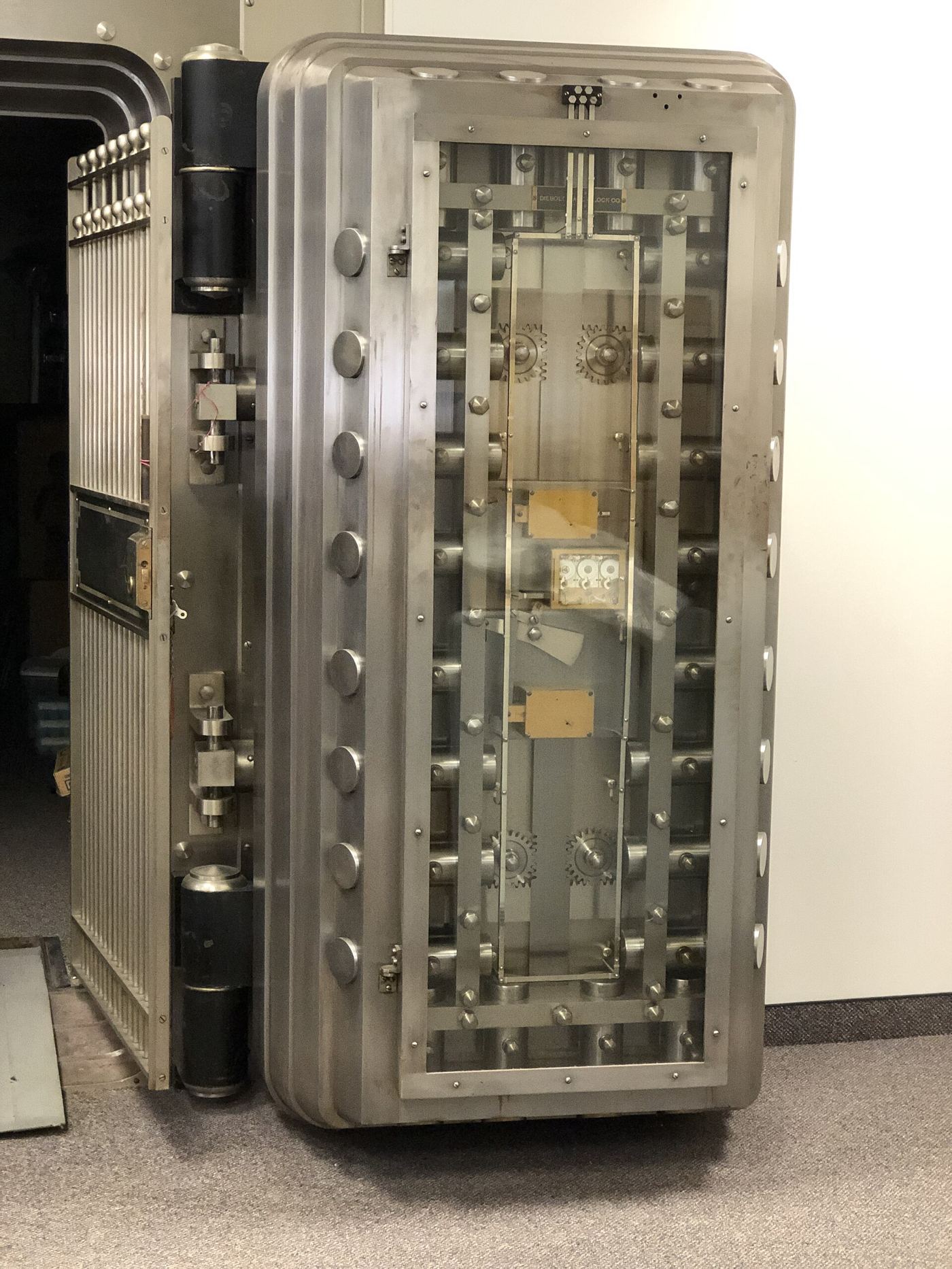
Custody audits are pushing crypto platforms to prove that client assets are kept genuinely separate from the company’s own funds, a safeguard that has become central to rebuilding trust in digital asset services. Specialists following crypto custody segregation audits say the principle mirrors traditional finance, where brokers must not treat customer property as working capital. Auditors are checking wallet structures, internal approvals and records that link each customer’s balance to assets held on their behalf, while platforms publish clearer explanations of who legally owns coins held in custody. The work follows high profile failures in which customer funds were mixed with company money, leaving ordinary users waiting years for answers. Investors and regulators now treat segregation as a minimum expectation rather than a marketing claim, and platforms that cannot demonstrate it face difficult questions from partners, insurers and increasingly informed customers choosing where to hold digital assets. Insurance providers are also examining custody arrangements closely, since clear segregation and strong controls can determine whether cover is offered at all.
What the Evidence Shows
Good custody also involves practical security, including cold storage for most assets, strict limits on who can authorise transfers and regular rehearsals of what happens if systems fail. Platforms are appointing independent auditors and publishing summaries more frequently, although specialists note that a snapshot audit shows one moment in time and should be read alongside licensing and governance information. Customers can help themselves by understanding whether they hold assets directly or through a platform, and by keeping records of deposits. Some experienced holders split assets between a regulated custodian and their own wallet, balancing convenience against personal responsibility. As standards rise, transparent custody is becoming a competitive advantage, rewarding firms that invested early in controls and record keeping. Industry specialists expect audit quality itself to become a point of competition, with platforms publishing fuller reports, more often, to win customers who now ask detailed questions before depositing. Reporting and analysis from sources such as European Central Bank track the same developments, and specialists following crypto custody segregation audits say the direction is now consistent across independent lines of evidence.
The Wider Context
The wider context is a sector being absorbed, piece by piece, into the regulated financial mainstream. Work on crypto custody segregation audits now happens under licensing regimes, audit expectations and consumer-protection rules that would have been unrecognisable a few years ago. Long-standing participants are divided between relief at the legitimacy and regret for the experiment’s wilder freedoms.
What Happens Next
What happens next for crypto custody segregation audits will be shaped by the interaction of regulation, market appetite and the sector’s own capacity for self-inflicted wounds. The infrastructure is more professional than it was, the rules are clearer, and the remaining question is whether growth can stay boring. Participants with the longest memories say boring would be the real milestone. You can follow related developments in our coverage of crypto.
None of this will be settled by a single announcement, study or product launch. The pattern to watch is accumulation: independent confirmations, honest reporting of failures and steady improvement in the underlying numbers. Readers who follow those signals, rather than the loudest claim of the week, will understand this subject better than most of the commentary surrounding it suggests is possible.
