

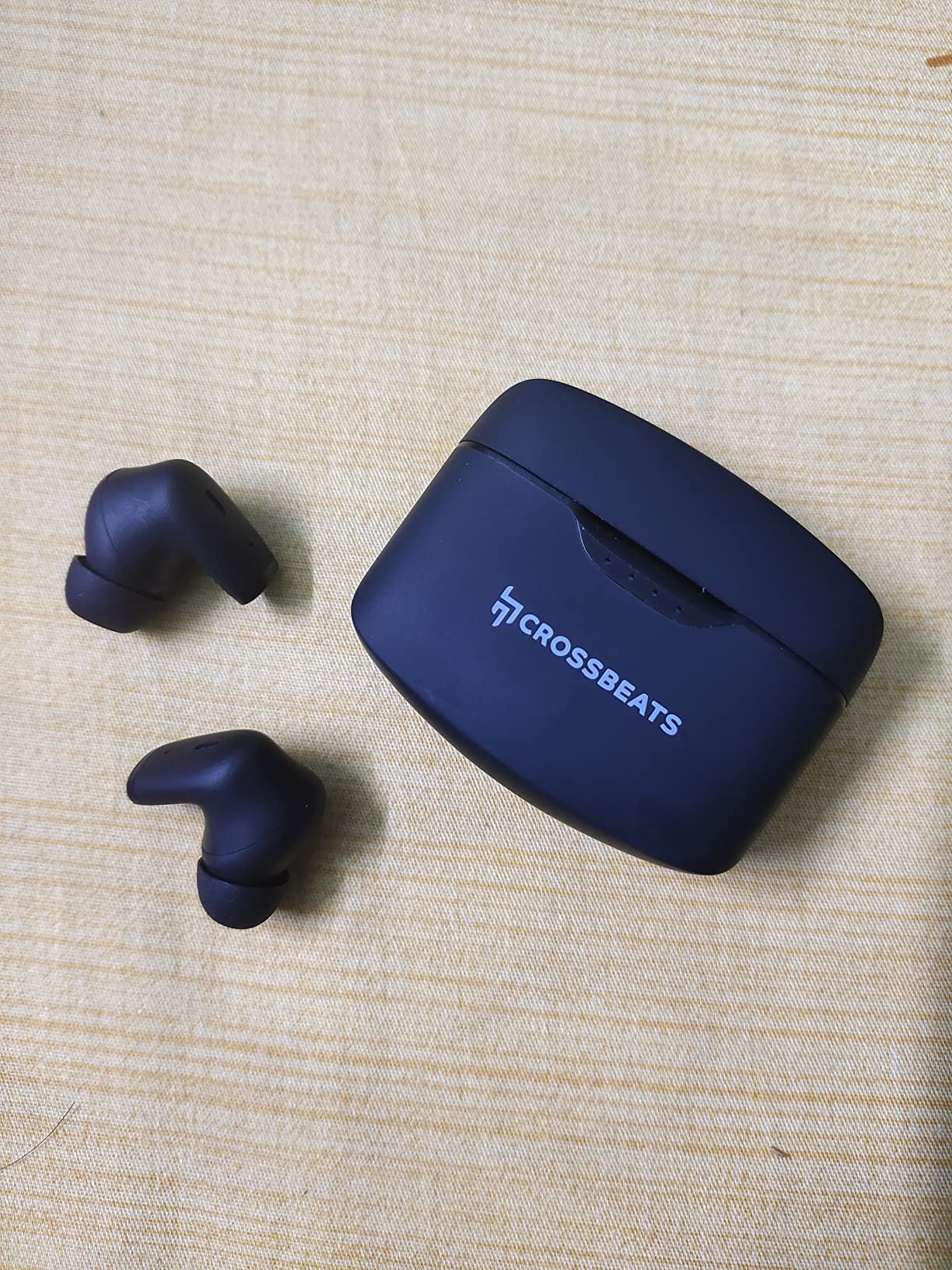
Wireless earbuds sit in millions of ears for hours a day, and manufacturers are turning that presence into a hearing health tool. New models track how loudly and how long users listen, warn when weekly exposure approaches levels associated with damage and run informal hearing checks that compare a user’s responses against age-based norms. Audiologists have long argued that hearing loss from leisure noise is preventable but poorly measured, because people rarely know their true exposure and clinics see them only after damage is done. Earbuds change the measurement problem: the device producing the sound knows its own output precisely and can log dose the way a fitness tracker logs steps. When a check suggests a change, the software can recommend a professional test rather than attempting diagnosis, keeping the earbuds in the role of early warning rather than medical device. Some models also offer hearing assistance features that amplify conversation in noisy rooms for users with mild difficulties who do not wear hearing aids, blurring a boundary that regulators are now defining more carefully. For younger listeners, exposure dashboards presented plainly, without scolding, appear to change behaviour more than one-off warnings, especially when the app shows recovery rest days for the ears alongside the risky sessions.
What the Evidence Shows
The public health opportunity is considerable, since untreated hearing loss is linked with social withdrawal and cognitive decline, and early habits shape lifetime exposure. Schools and employers in noisy industries are piloting earbud-based monitoring as a complement to traditional audiometry, which remains the standard for diagnosis. Privacy deserves attention: hearing data is health data, and users should control whether it leaves the device, a design choice manufacturers increasingly advertise. There are technical limits too. Fit changes the sound actually delivered, background noise tempts users to raise volume, and a quick self-check cannot reproduce a clinician’s controlled test. Researchers therefore validate earbud checks against clinic results and publish the margins of error rather than hiding them. The direction of travel, though, is toward prevention embedded in everyday objects, much as phones quietly count steps. If earbuds can persuade a generation to treat hearing as something to budget and protect, rather than something to mourn after concerts and commutes have taken their toll, the benefit will compound for decades. The technology succeeds precisely because it asks little: wear what you already wear, and let it keep a gentle, honest tally. Reporting and analysis from sources such as IEEE Spectrum track the same developments, and specialists following hearing health monitoring earbuds say the direction is now consistent across independent lines of evidence.
The Wider Context
Adoption of hearing health monitoring earbuds follows a familiar pattern with an unfamiliar speed. Early users tolerate rough edges in exchange for advantage, mainstream users arrive when the tool disappears into existing workflows, and the market consolidates around whoever made that transition feel effortless. Vendors are racing less on raw performance now than on integration, support and trust.
What Happens Next
The realistic forecast for hearing health monitoring earbuds is steady integration rather than sudden replacement: embedded in products people already use, improving in increments, and regulated in proportion to its reach. The companies and institutions that plan on that basis, training staff and redesigning processes instead of chasing launches, are the ones the adoption data tends to vindicate. You can follow related developments in our coverage of technology.
It is also worth remembering how quickly the picture in this area has changed before. Positions that looked settled a few years ago have been revised as new data arrived, and the same humility is appropriate now. The strongest coverage of this subject, and the most useful advice, tends to come from sources that update their views openly when the facts move, rather than defending an earlier position long after it has stopped fitting the evidence available.
