

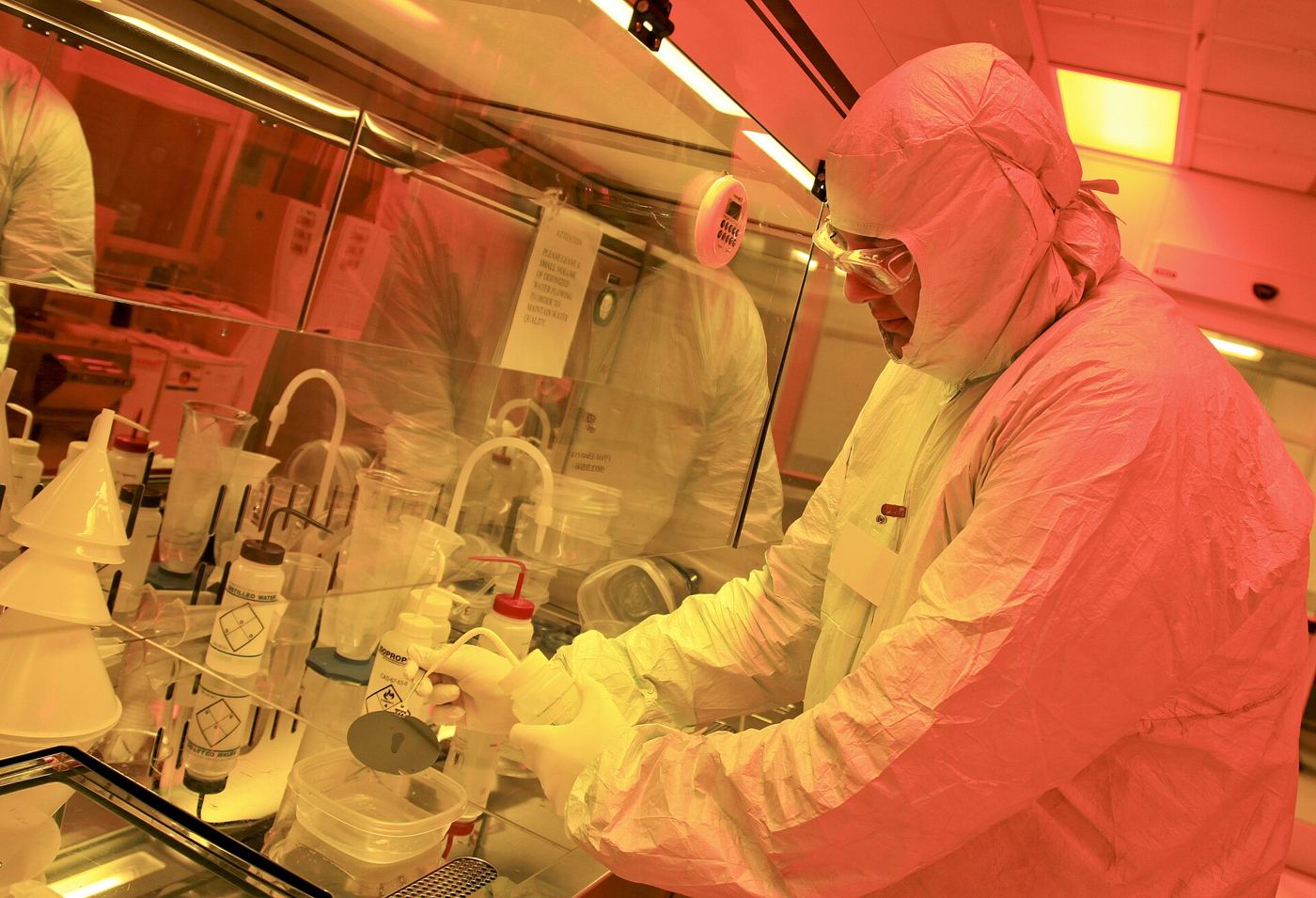
Semiconductor factories are investing heavily in recycling the ultrapure water they use to rinse silicon wafers, easing pressure on local supplies in regions where chip plants and communities compete for the same resource. Making computer chips is thirsty work: water must be purified far beyond drinking standards, because even trace minerals or particles can ruin microscopic circuits. A large plant may use millions of litres a day, most of it for rinsing between the many stages of fabrication. Recycling systems now capture that rinse water, strip out the chemicals added during processing and return it to the start of the purification chain. Recovery rates that once seemed ambitious are becoming standard design targets for new facilities. The engineering is delicate, because recycled water must match the quality of fresh supply exactly, and any lapse can destroy wafers worth far more than the water saved. Local context drives the urgency: several major chip-making regions face drought, growing populations and competing demand from farms and cities. Manufacturers have learned that a plant’s social licence increasingly depends on proving it is a careful neighbour, not just a prestigious employer.
What the Evidence Shows
The chip plant water recycling effort is driving innovation in treatment technology itself. Engineers separate waste streams fastidiously, because lightly used rinse water is easy to recover while chemically aggressive streams need dedicated treatment before they can rejoin the loop. Sensors watch quality continuously, diverting any suspect batch for reprocessing rather than risking production. Some plants go further, reclaiming water from cooling systems and even from the facility’s own wastewater treatment, and sharing reclaimed supplies with local irrigation schemes. Public reporting has improved alongside the engineering, with manufacturers publishing recovery percentages that outsiders can compare between sites. Regulators in water-stressed regions now treat strong recycling plans as a condition of approval for new plants, reshaping where factories get built. The expertise is exportable: treatment specialists trained in chip plants apply the same techniques in pharmaceuticals, power generation and food production. None of this removes the fundamental tension of placing water-hungry industry in dry places, and honest assessments still guide site selection. But each percentage point of recovery, multiplied by millions of litres daily, represents water left in reservoirs and rivers for everyone else. Reporting and analysis from sources such as IEEE Spectrum track the same developments, and specialists following the chip plant water recycling say the direction is now consistent across independent lines of evidence.
The Wider Context
Adoption of the chip plant water recycling follows a familiar pattern with an unfamiliar speed. Early users tolerate rough edges in exchange for advantage, mainstream users arrive when the tool disappears into existing workflows, and the market consolidates around whoever made that transition feel effortless. Vendors are racing less on raw performance now than on integration, support and trust.
What Happens Next
The realistic forecast for the chip plant water recycling is steady integration rather than sudden replacement: embedded in products people already use, improving in increments, and regulated in proportion to its reach. The companies and institutions that plan on that basis, training staff and redesigning processes instead of chasing launches, are the ones the adoption data tends to vindicate. You can follow related developments in our coverage of technology.
It is also worth remembering how quickly the picture in this area has changed before. Positions that looked settled a few years ago have been revised as new data arrived, and the same humility is appropriate now. The strongest coverage of this subject, and the most useful advice, tends to come from sources that update their views openly when the facts move, rather than defending an earlier position long after it has stopped fitting the evidence available.
