

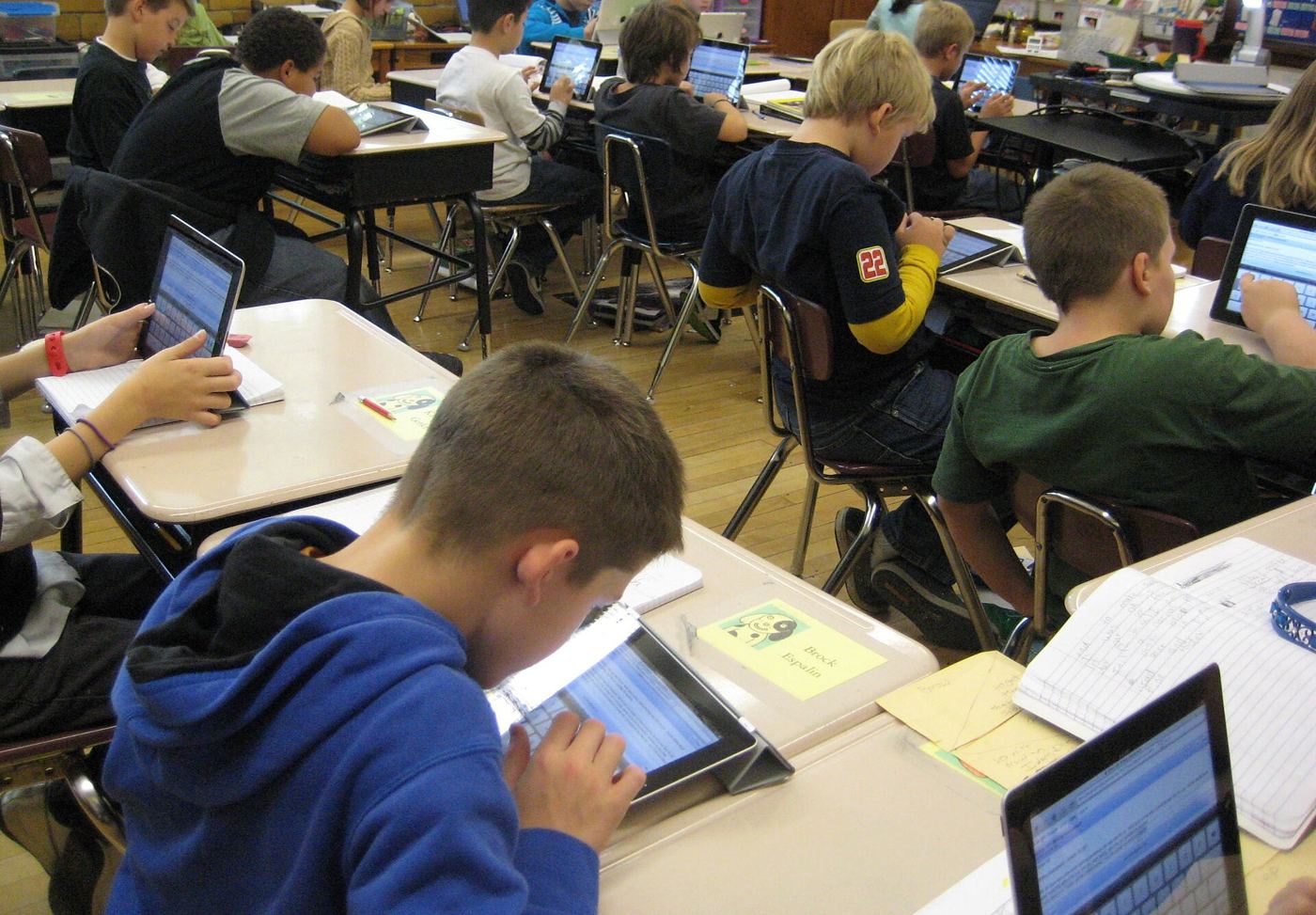
In lecture halls and classrooms, the rustle of paper is giving way to the tap of a stylus on glass. Students are replacing stacks of notebooks with a single tablet, using it to take handwritten notes, annotate lecture slides, read textbooks and organise every subject in one searchable place. A stylus lets them write naturally, sketch diagrams and highlight passages, while the tablet searches every word they have written, something no paper notebook can do. Textbooks that once filled a heavy bag now live as files, and a recorded lecture can sit beside the notes taken during it. Teachers have noticed the change too, with many now handing out digital worksheets and accepting homework submitted from a tablet. For students who carry their studies everywhere, the tablet has become the new school bag. Digital pens have improved too, with pressure sensitivity that makes handwriting feel closer to pen on paper, and some schools now lend a stylus with every device.
What the Evidence Shows
The shift is not without its critics. Some studies suggest that writing by hand on paper helps memory more than typing or writing on glass, and teachers worry that a tablet in class is also a door to messages, games and social media. Battery life and durability matter too, since a tablet that dies halfway through a lecture is worse than a notebook that never runs out of power. Supporters answer that the benefits outweigh the risks: notes that can be searched, shared and backed up, textbooks that cost less as downloads, and accessibility features such as adjustable text size and read-aloud modes that help students with different needs. Prices have fallen, and many schools now lend tablets to pupils who cannot afford one. The paper notebook is unlikely to disappear entirely, but in the student bag it is steadily losing ground. Reporting and analysis from sources such as IEEE Spectrum track the same developments, and specialists following the tablets replacing paper notebooks for students say the direction is now consistent across independent lines of evidence.
The Wider Context
Adoption of the tablets replacing paper notebooks for students follows a familiar pattern with an unfamiliar speed. Early users tolerate rough edges in exchange for advantage, mainstream users arrive when the tool disappears into existing workflows, and the market consolidates around whoever made that transition feel effortless. Vendors are racing less on raw performance now than on integration, support and trust.
What Happens Next
The realistic forecast for the tablets replacing paper notebooks for students is steady integration rather than sudden replacement: embedded in products people already use, improving in increments, and regulated in proportion to its reach. The companies and institutions that plan on that basis, training staff and redesigning processes instead of chasing launches, are the ones the adoption data tends to vindicate. You can follow related developments in our coverage of technology.
It is also worth remembering how quickly the picture in this area has changed before. Positions that looked settled a few years ago have been revised as new data arrived, and the same humility is appropriate now. The strongest coverage of this subject, and the most useful advice, tends to come from sources that update their views openly when the facts move, rather than defending an earlier position long after it has stopped fitting the evidence available.
