

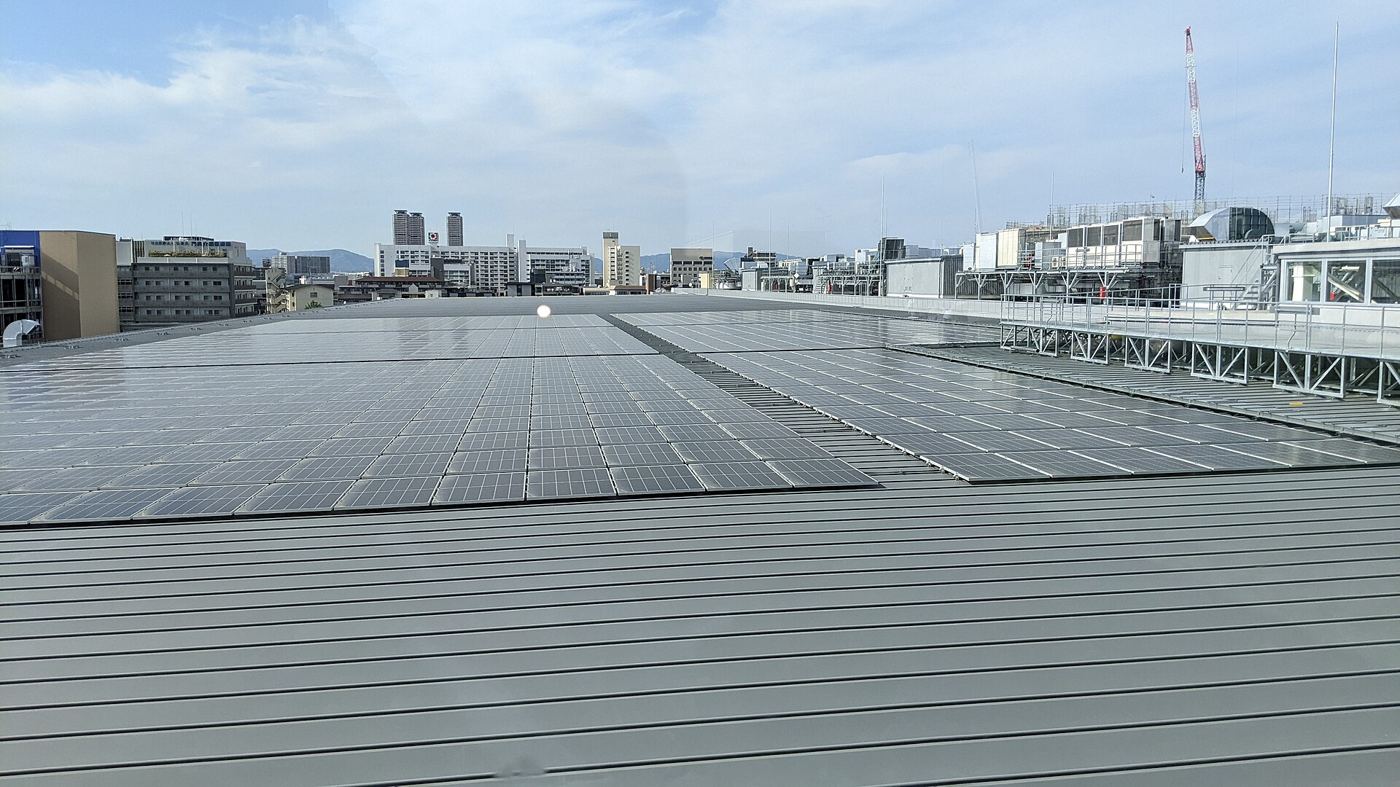
Green Bonds Gain Ground in Gulf Markets is capturing attention well beyond specialists this week. Issuers are funding solar parks, water projects and efficient buildings with bonds tied to environmental goals. The development matters now because timing, cost and public trust are converging: decisions taken in the next few months could shape outcomes for years. This report explains what has changed, what the evidence actually supports, and what readers should watch next, in plain language and without the hype that often surrounds fast-moving stories like this one.
What Is Happening
Money decisions like these rarely hinge on one number. Income, job security, savings buffers and confidence about the future all interact, and households and firms respond at different speeds. Data tracked by the IMF helps explain the broad direction, but personal circumstances decide what is sensible for any individual. That is why general guidance stresses diversification, manageable debt and cash reserves before chasing returns or making irreversible commitments in response to a single headline. At the centre of the story is green bonds in Gulf markets, and understanding that focus helps separate durable change from temporary noise. Specialists interviewed across the field agree on the broad direction even where they dispute the pace. Wider context is available from the IMF.
Investors increasingly ask for independent verification so green labels translate into measurable results. For background and related reporting, see our finance coverage, which tracks how this theme has developed over recent months. Observers note that early claims often need revision as fuller data arrives, so the most reliable approach is to follow primary sources, compare several reputable outlets, and pay attention to what practitioners on the ground are actually seeing rather than relying on social media summaries alone.
Why It Matters
Looking ahead, much depends on whether recent trends hold for several more months. A single good or bad release can move markets sharply, yet the underlying story usually changes slowly. Professionals therefore watch confirmation across wages, prices, lending and demand, and they revise plans gradually. For ordinary readers, the lesson is unglamorous but useful: understand the total cost, keep options open where possible, and treat confident short-term predictions with particular care. The implications of green bonds in Gulf markets extend into budgets, planning and everyday choices, which is why careful, evidence-based reporting matters more than speed alone in moments like this.
What happens next will depend on follow-through. Milestones to watch include new data releases, funding decisions, independent evaluations and the response of the people most affected. Further reading from Forbes offers useful international perspective, and our editors will update this story as verified information emerges. Readers can also follow the latest news for connected developments. For now, the balanced conclusion is neither alarm nor complacency: the change is real, the evidence is growing, and the smartest response is informed attention rather than rushed judgement.
