

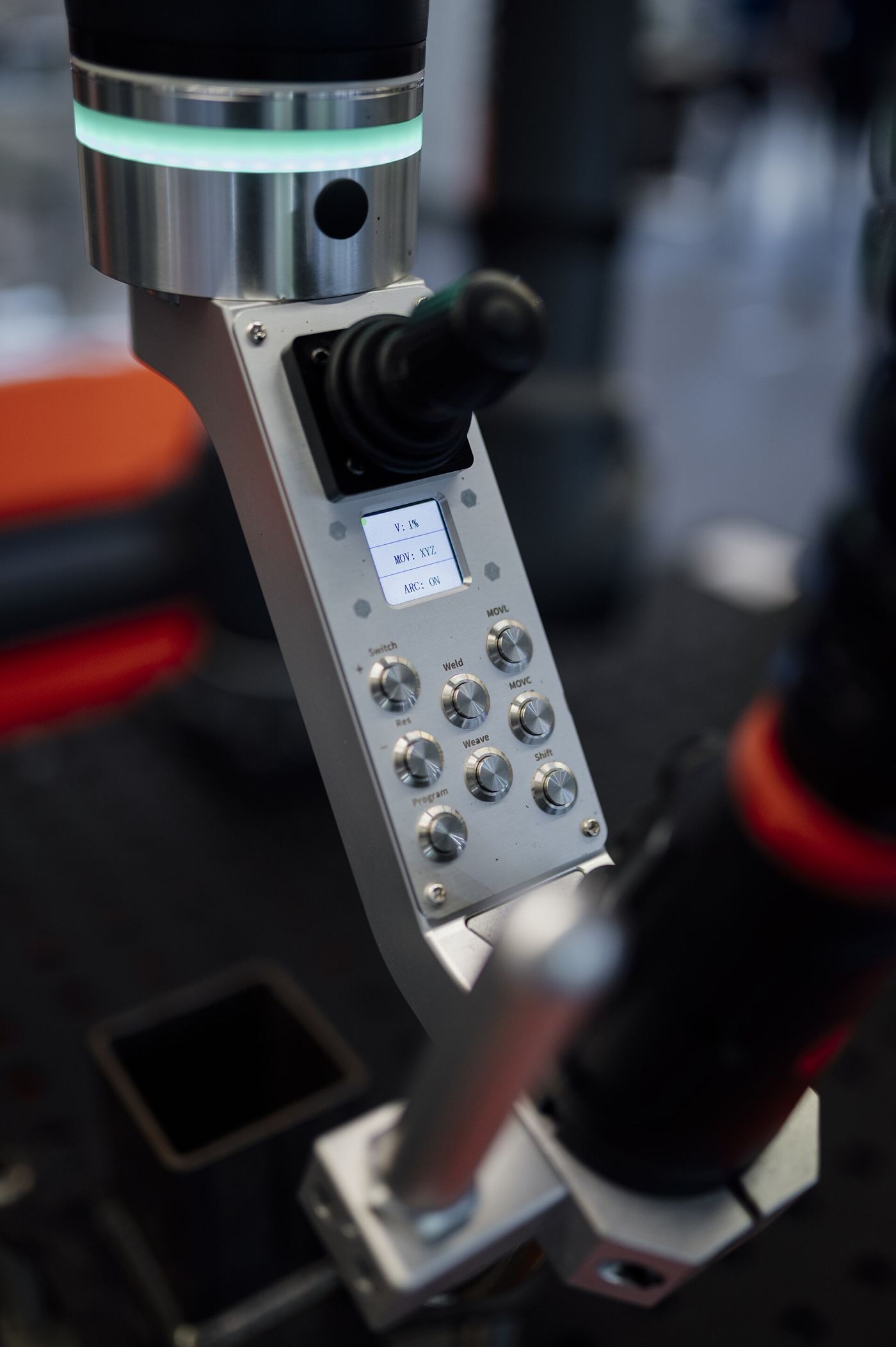
Anthropic introduced Claude for Manufacturing on 12 November, a version of its AI assistant tailored to the needs of factories and industrial companies. The plugin ships with 17 task-specific skills and connectors for widely used tools including Autodesk Fusion, Infor, Microsoft 365 and Oracle NetSuite. It is designed to help engineers, planners and maintenance teams with the paperwork-heavy work of modern manufacturing: reading specifications, drafting reports, checking inventory, scheduling maintenance and tracing problems through supply chains. The launch shows how AI assistants are moving from office chatbots into the specialised software that runs the physical economy. The skills cover routine but time-consuming tasks, such as summarising engineering documents, preparing maintenance schedules and checking parts lists against supplier catalogues, freeing engineers to focus on design and problem-solving instead of paperwork.
What the Evidence Shows
Manufacturing is a demanding test for AI, because mistakes on a factory floor cost real money and can endanger workers. An assistant that misreads a tolerance or confuses two parts could cause a costly error, so human review remains essential. Data security matters too: factory designs and production data are closely guarded, and companies will want reassurance that their information stays private. If those concerns are managed, the prize is large, because manufacturers sit on decades of documents, manuals and sensor data that AI could finally make searchable and useful. Early users report that the biggest gains come from connecting the assistant to the systems factories already use, so answers draw on live inventory and production data rather than generic knowledge. Reporting and analysis from sources such as IEEE Spectrum track the same developments, and specialists following the AI assistants arriving on factory floors say the direction is now consistent across independent lines of evidence.
The Wider Context
Adoption of the AI assistants arriving on factory floors follows a familiar pattern with an unfamiliar speed. Early users tolerate rough edges in exchange for advantage, mainstream users arrive when the tool disappears into existing workflows, and the market consolidates around whoever made that transition feel effortless. Vendors are racing less on raw performance now than on integration, support and trust.
What Happens Next
The realistic forecast for the AI assistants arriving on factory floors is steady integration rather than sudden replacement: embedded in products people already use, improving in increments, and regulated in proportion to its reach. The companies and institutions that plan on that basis, training staff and redesigning processes instead of chasing launches, are the ones the adoption data tends to vindicate. You can follow related developments in our coverage of technology.
It is also worth remembering how quickly the picture in this area has changed before. Positions that looked settled a few years ago have been revised as new data arrived, and the same humility is appropriate now. The strongest coverage of this subject, and the most useful advice, tends to come from sources that update their views openly when the facts move, rather than defending an earlier position long after it has stopped fitting the evidence available.
