

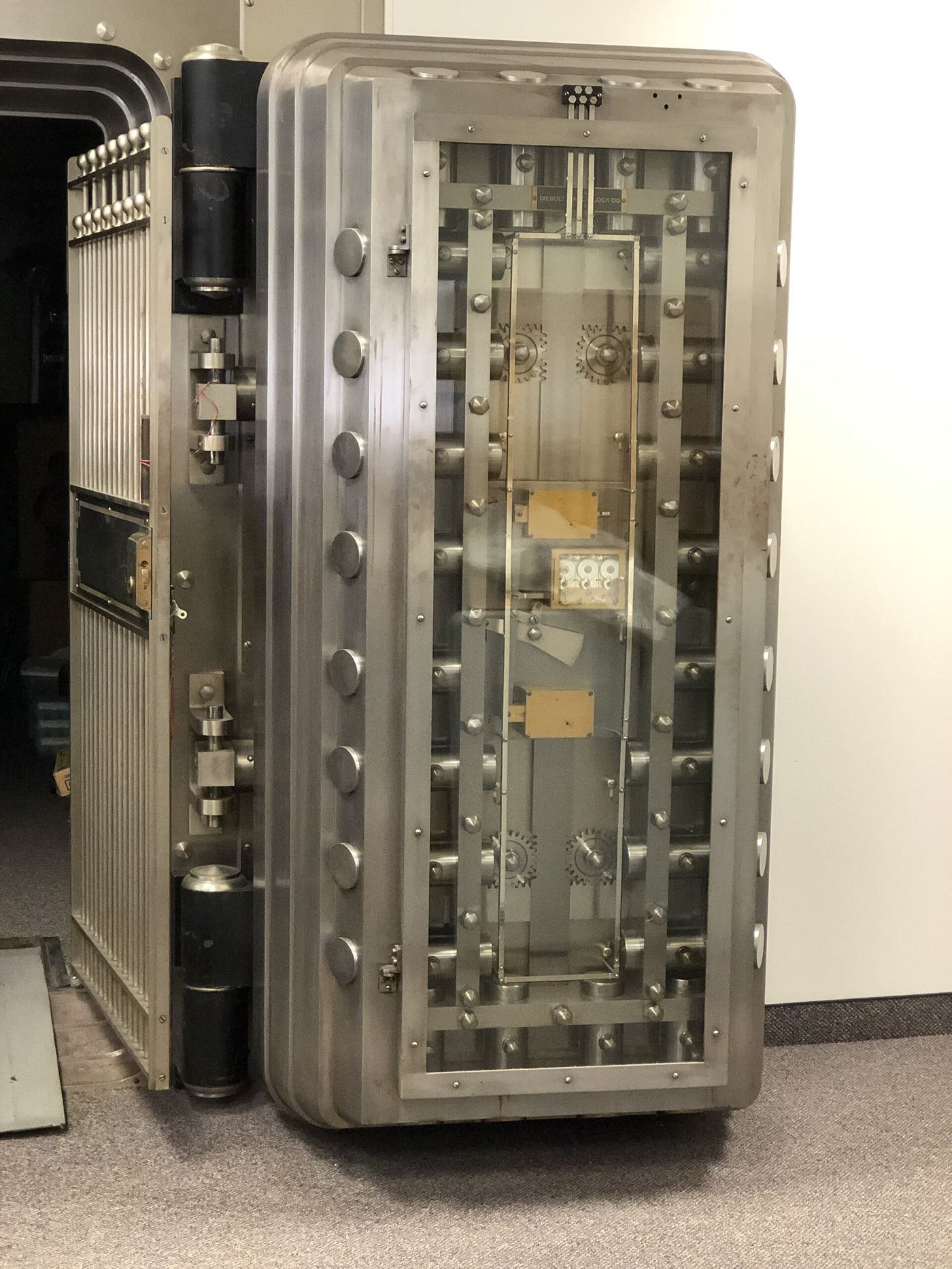
Most people now have dozens of online accounts, and remembering a different strong password for each one is beyond what any normal memory can manage. The usual result is that people reuse a few passwords, or choose simple ones, and both habits make them easy targets for attackers. Digital vaults offer a different approach: one master password unlocks an encrypted store that generates and remembers a unique, complex password for every account. The vault syncs across phone and computer, fills in login forms automatically and warns when a password has appeared in a known data breach. Security experts recommend the approach because it removes the weakest link in most online security, which is the human habit of choosing memorable passwords. The encryption is designed so that even the company running the vault cannot read its contents, which means the master password is the one secret that must never be lost.
What the Evidence Shows
Using a vault well takes a little setup and some good habits. Experts advise choosing a long master password made of several unrelated words, turning on two-factor authentication, and keeping a secure backup of the recovery information in case the master password is forgotten. Families are beginning to use shared vaults to manage household accounts, and businesses use them to control who can access company systems, revoking access instantly when someone leaves. There are risks to manage: a vault is only as safe as the device it runs on, and a compromised phone can expose everything inside. Some people prefer to keep their most sensitive accounts, such as banking, outside the vault entirely. Despite those cautions, security professionals say a password vault remains the single most effective step an ordinary person can take to improve their online safety, and the number of people using one is growing steadily as the tools become simpler and cheaper to use. Reporting and analysis from sources such as IEEE Spectrum track the same developments, and specialists following the digital password vaults say the direction is now consistent across independent lines of evidence.
The Wider Context
Adoption of the digital password vaults follows a familiar pattern with an unfamiliar speed. Early users tolerate rough edges in exchange for advantage, mainstream users arrive when the tool disappears into existing workflows, and the market consolidates around whoever made that transition feel effortless. Vendors are racing less on raw performance now than on integration, support and trust.
What Happens Next
The realistic forecast for the digital password vaults is steady integration rather than sudden replacement: embedded in products people already use, improving in increments, and regulated in proportion to its reach. The companies and institutions that plan on that basis, training staff and redesigning processes instead of chasing launches, are the ones the adoption data tends to vindicate. You can follow related developments in our coverage of technology.
It is also worth remembering how quickly the picture in this area has changed before. Positions that looked settled a few years ago have been revised as new data arrived, and the same humility is appropriate now. The strongest coverage of this subject, and the most useful advice, tends to come from sources that update their views openly when the facts move, rather than defending an earlier position long after it has stopped fitting the evidence available.
