

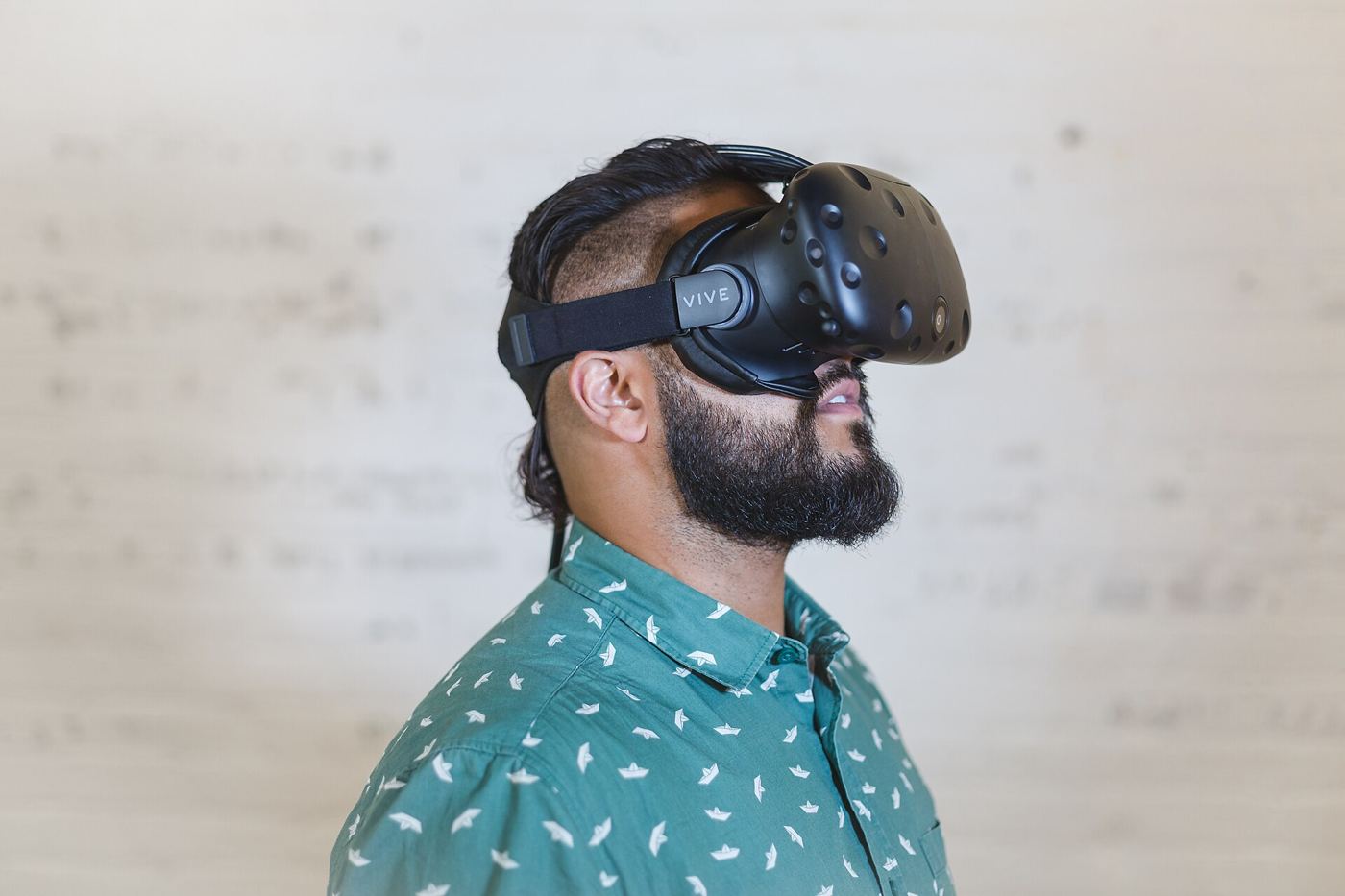
Put on a virtual reality headset and the room around you disappears, replaced by a world that surrounds you in every direction. Turn your head and the view turns with you; reach out with a controller and your virtual hands reach too. The illusion is created by two small, high-resolution screens, one for each eye, combined with sensors that track the movement of your head many times a second. Early headsets were tethered to powerful computers by cables and cost a small fortune, but modern standalone models contain everything they need inside the headset itself. People use them to play games, explore virtual museums, attend meetings as avatars and practise skills in simulated environments. The sense of presence, of actually being somewhere else, is what sets virtual reality apart from a flat screen. The experience can be striking the first time, as the brain accepts the virtual place as real.
What the Evidence Shows
The technology is still finding its place. Headsets have become lighter, sharper and more comfortable, with better lenses and wider fields of view, while inside-out tracking has removed the need for external sensors in the room. Some users still feel queasy after long sessions, especially in games with fast movement, and the devices remain a poor fit for wearing all day. Beyond gaming, the most promising uses are in training, where surgeons, pilots and factory workers can rehearse difficult tasks safely, and in design, where architects can walk clients through a building before it is built. Prices have fallen as the hardware has matured, though a good headset is still a significant purchase. For now, virtual reality is a window into digital worlds rather than a replacement for the real one. Reporting and analysis from sources such as IEEE Spectrum track the same developments, and specialists following the virtual reality headsets opening doors to digital worlds say the direction is now consistent across independent lines of evidence.
The Wider Context
Adoption of the virtual reality headsets opening doors to digital worlds follows a familiar pattern with an unfamiliar speed. Early users tolerate rough edges in exchange for advantage, mainstream users arrive when the tool disappears into existing workflows, and the market consolidates around whoever made that transition feel effortless. Vendors are racing less on raw performance now than on integration, support and trust.
What Happens Next
The realistic forecast for the virtual reality headsets opening doors to digital worlds is steady integration rather than sudden replacement: embedded in products people already use, improving in increments, and regulated in proportion to its reach. The companies and institutions that plan on that basis, training staff and redesigning processes instead of chasing launches, are the ones the adoption data tends to vindicate. You can follow related developments in our coverage of technology.
It is also worth remembering how quickly the picture in this area has changed before. Positions that looked settled a few years ago have been revised as new data arrived, and the same humility is appropriate now. The strongest coverage of this subject, and the most useful advice, tends to come from sources that update their views openly when the facts move, rather than defending an earlier position long after it has stopped fitting the evidence available.
